
CLICK TO VISIT OUR SHOP LATEST NEWS DISCOGRAPHY MEMBERS CLUB BLOG CONTACT US HOME

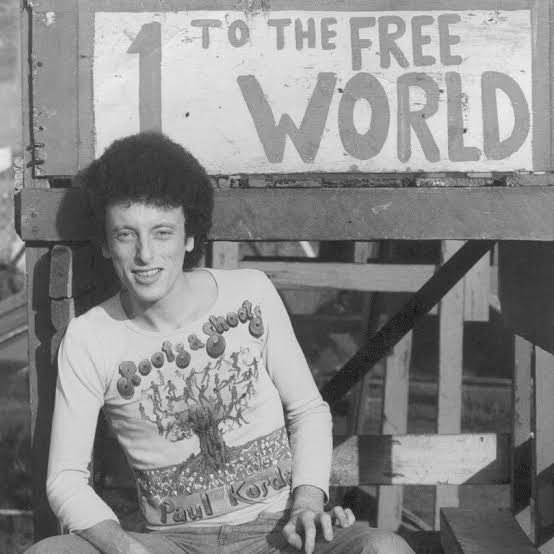
Paul Korda was an English songwriter, singer, musician, and actor. He wrote and performed music from the 1960s onwards, and his songs have been covered by artists such as Roger Daltrey, Dave Edmunds and Love Sculpture. A lost name for most people, The Strange Brew's Jason Barnard decided to track down and interview Paul - and the Korda Kronikles developed from there.
This is Part One of Jason's four-part retelling of Paul's story.
The Korda Kronikles: Part One, Born on the Road (1948-1966)
It was the 2nd of January 2019, and I'd recently finished selecting artists to interview for a competition on ReverbNation. Typically, submissions came from new, up-and-coming talent, and the quality was variable. One name stood out: Paul Korda, with the profile "Singer Songwriter / Pop Rock / R&B/Soul Los Angeles, CA." I knew the name. Paul Korda's career had started in the 1960s, his songs recorded by P.P. Arnold, Roger Daltrey, and Dave Edmunds. What followed became one of the most moving interviews I'd conducted for The Strange Brew in almost 20 years, at a time when Paul knew he had little time left to tell his story.
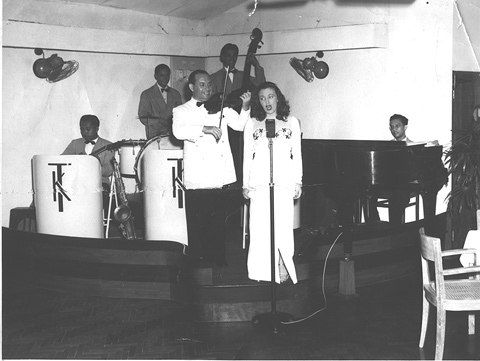 <-Tibor Kunstler and Shirley Lenner play Singapore’s Raffles Hotel in 1948
After making contact, he explained his LA number was unreliable and asked if I'd call his mobile. He was currently in London. "I was born on the road, basically," Paul told me. Paul's father, Tibor Kunstler, was a Budapest-born musician who had trained in violin at the Franz Liszt Conservatory and voice at La Scala in Milan, accomplishments that would later see him handpicked by Coleman Hawkins to play saxophone on the first US Jazz tour of the East. But before any of that, he had survived Japanese internment in a POW camp on Java, where he'd been imprisoned while performing at the Hilton. After his escape, he made his way to Singapore's legendary Raffles Hotel, where he met Paul's mother, Shirley Lenner, a performer who had transitioned from entertaining troops with ENSA, the army's entertainment corps, to the stage at Prince's Restaurant. Their meeting in Singapore would lead to Paul's birth in 1948 and brought together two musical traditions.
Music had been the family business for generations, long before Paul was born: "My uncle was Lawrence Wright, and Lawrence was the first person to create piano copies," Paul explained, his enthusiasm for this piece of family history being very clear. "He had a market stall in Leicester." From that market stall, Wright built a much bigger business. Before Lawrence Wright's innovation, music existed only as live performance. By creating piano sheet music for popular songs and selling them, Wright essentially invented the modern music business model. "My grandmother used to sing them for him."
That grandmother had thirteen children whom she took on the road during the vaudeville era, performing as angels and other characters. Seven of the daughters became known as the Renner sisters, continuing the family's life on the road. Paul's mother, Shirley Lenner, carried this tradition forward in spectacular fashion. "My mother went for an audition for The Wizard of Oz" Paul recalled. Though she didn't land the role that would go to Judy Garland, the audition changed her life. "Another American director saw her and wrote his whole movie with my mother as the star."
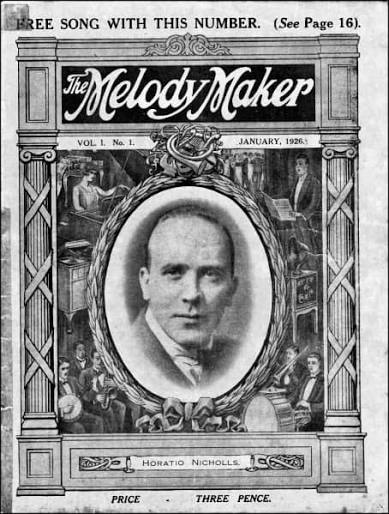 Meanwhile, Uncle Lawrence had progressed to founding Melody Maker and establishing Chapell Music, cementing the family's position at the heart of Britain's music industry. "So it was in my blood," Paul reflected. "My parents were both married on the road." After returning to England from Singapore, young Paul entered a family where he was already beginning to push against that world.
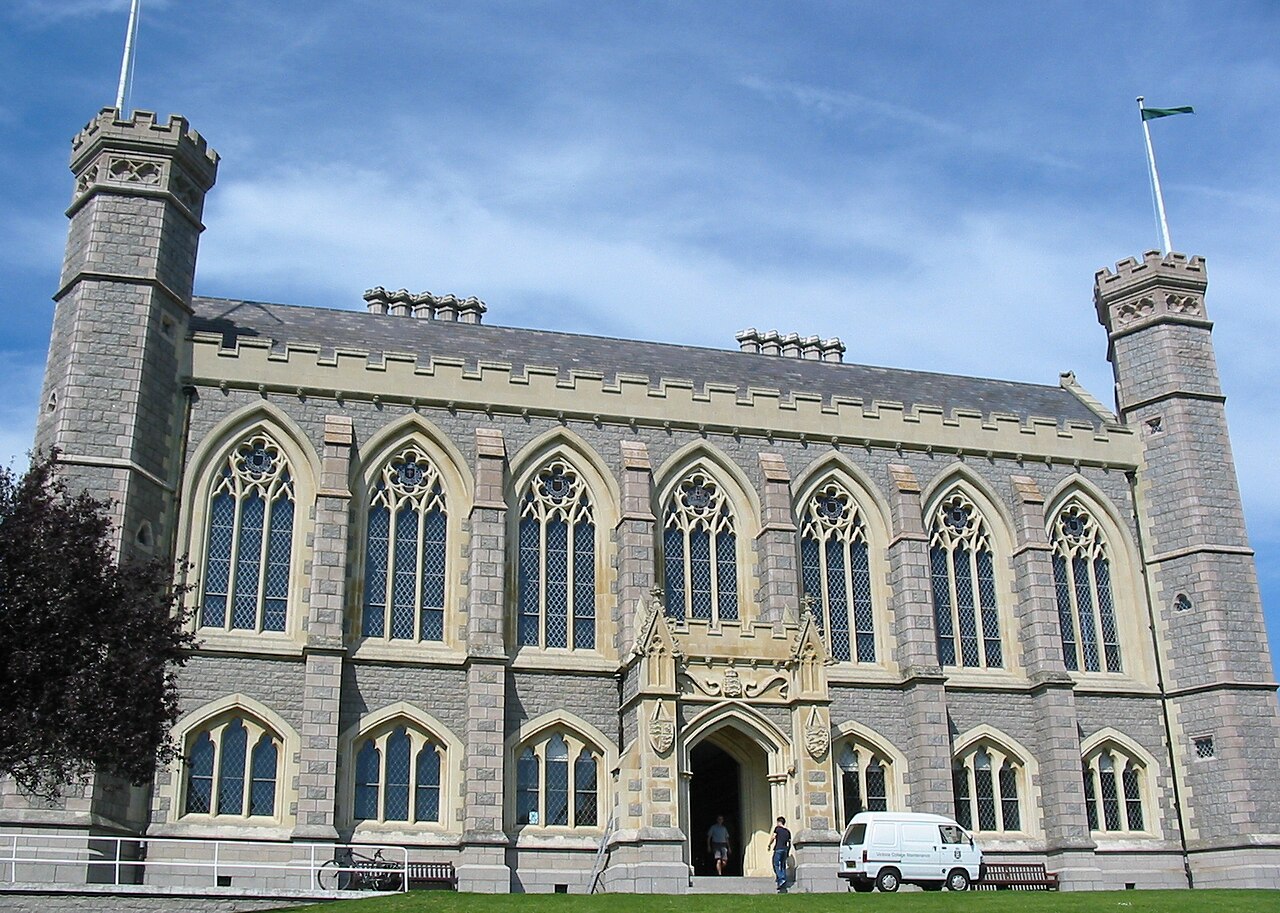 That rebellion started at Victoria College in Jersey which had strict rules about how the boys should look and behave. "When they cut your hair enough times, you wanted to just let your hair grow forever," Paul said. "When you came out with the short back and sides looking like an Italian mobster, you ended up wanting to never become institutionalised. And that's basically how the hippie generation started."
Paul saw this anti-institutional attitude as central to the hippie movement he would become part of. The anti-institutional stance that began with enforced haircuts would later manifest in his confrontations with publishers, record labels, and anyone who tried to contain his creativity within commercial structures. "I've never been an institutionalised person," he told me at the beginning of our conversation, having just successfully challenged a care organisation that demanded upfront payment without notice.
In the end, the school gave Paul an early lesson in how to get around authority. After being caught kissing a girl on hotel steps while wearing his college uniform, he faced the headmaster's wrath. The punishment was meant to be severe, confinement to college grounds for the entire summer. But Paul had leverage. "I said, OK then. I'm packing my bags. I'm the college photographer for the Jersey Evening Post and I'm going to tell them what you just said to me."
The headmaster's retreat was immediate and complete. Not only was the punishment rescinded, but Paul was granted extraordinary freedom. "He said, I've got this new band I joined called The Intruders. He said, would you like to go to the cinema with this girl this weekend? I said, yeah. He said, all right, well, that's your punishment. You can go to the cinema with her." Permission to perform with his band followed, and suddenly Paul found himself liberated from the Victorian strictures that had seemed inescapable. "I was never at school anymore. I was more of an adult at that point."
Paul's teenage years were full of serendipitous encounters. While his mother performed cabaret at a hotel on the Isle of Man, Paul spent two days on a scooter charming a girl. The return journey to London brought an unexpected encounter. "There these guys were, and we got to the first petrol station, suddenly 200 girls started rushing towards us, and I said, who the hell are you? He said, We're Them." Paul had unknowingly hitched a ride with Van Morrison's band. "I went to a show last night, it was really good, it was a band called Them," He said, "that's us."
Paul headed to London in the mid-1960s at exactly the right moment. But what he couldn't have known was that within months, he'd be comparing songs with David Bowie, helping Elton John move keyboards, and giving Jimi Hendrix his first London showcase....
Part Two of The Korda Kronikles will appear in November - watch this space
Check out The Strange Brew click here
Check out The Strange Brew click here
All copyrights reserved 2026
www.fruitsdemerrecords.com
www.fruitsdemerrecords.com