
CLICK TO VISIT OUR SHOP LATEST NEWS DISCOGRAPHY MEMBERS CLUB BLOG CONTACT US HOME

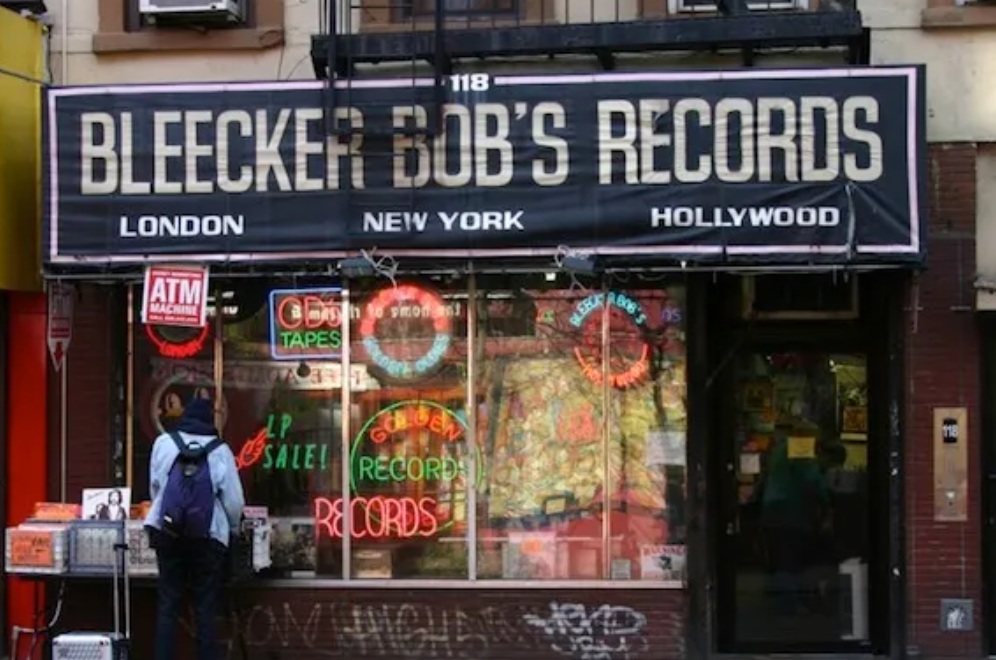
Henry Schneider writes for the expose.org website and has been buying and listening to records for a long, long time!
In 'Letter From America', Henry shares his musical journey...

There was nothing quite like coming home with a new LP, opening the package, and experiencing the distinct smell of vinyl. The experience stimulated a number senses, along with hearing new and unheard tracks. Especially since in most cases, the radio stations only played edited versions of album tracks in order to fit into the two to three-minute format required by pop radio. While albums often contained singles and less impressive filler tracks, they occasionally offered a delightful discovery of new music.
During the mid to late 60s, the music scene was thriving with an abundance of new releases beyond the top forty hits of the day. These hidden gems could be found in unexpected places, such as the waiting room of our family doctor's office, where muzak often played.
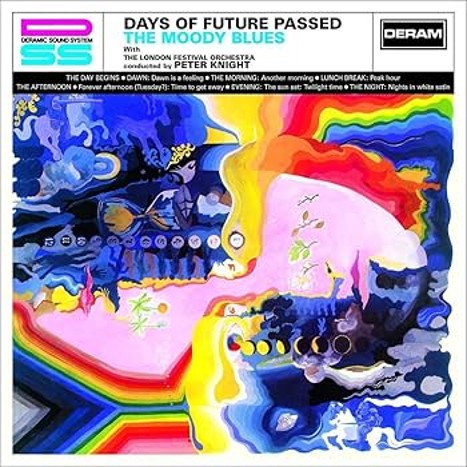 At the time, I was unaware that the orchestral music I was hearing was from the Moody Blues' album Days of Future Past. It wasn't until I purchased the album that I discovered the true source of the music. Up until that point in my life, I only knew the Moody Blues for their 1965 hit “Go Now.”
Around the same time, I began seeing advertisements for the Columbia Record Club in TV Guide and the newspaper. This mail-order music service offered 12+ vinyl LPs for a penny, provided you committed to future monthly purchases at full price. Although I suspected the quality might be lower than store-bought records, the album cover of Days of Future Past caught my attention. I was not tricked into the automatic monthly purchases, but the allure of the album remained.
On FM radio out of New York City, I started hearing the tracks from Days of Future Past without the orchestral interludes, including the amazing "Tuesday Afternoon" and Graeme Edge's evocative poetry. And a year or so later came “Legend of a Mind.” The Mellotron on the Beatles’ “Strawberry Fields Forever” had already caught my attention, but the Moody Blues took it to another level. I was captivated, but I digress.
In 1967, the Stone Poneys had a hit song "Different Drum", featuring the female vocals of Linda Ronstadt. The song, with its wonderful harpsichord break, introduced me to "Evergreen Vol. 2," a superb psych folk album blending pop with the sitar. I loved it!
In 1968, I heard a new band on FM radio, Wind in the Willows, specifically their song "There Is But One Truth Daddy." The trippy song featured a passage from Wind in the Willows, and I immediately had to have the record. What caught my attention was another strong female vocalist, who later gained wide fame, Debbie Harry. It wasn't until the late 70s with Blondie’s rise that I connected the dots and realized that the female vocalist on Wind in the Willows was Debbie Harry. The album cover featured her, but she was not blonde in 1968.
The Spring of 1968 saw the release of Tiny Tim’s outré “Tiptoe Through the Tulips,” Tommy James and the Shondells’ “Mony Mony,” Hugo Montenegro’s iconic “The Good, The Bad, and The Ugly,” The Beatle’s “Lady Madonna,” Blue Cheer’s “Summertime Blues,” Simon and Garfunkel’s “Mrs. Robinson,” and the totally unexpected and bizarre “MacArthur Park” by actor Richard Harris aka Dumbledore to the Harry Potter generation. My musical tastes and library were expanding by leaps and bounds.
It wasn’t until I went to university that I started to regularly add to my vinyl collection. I would frequent the record shops around campus, searching for new and exciting records. I found and bought Pink Floyd's 'Ummagumma'
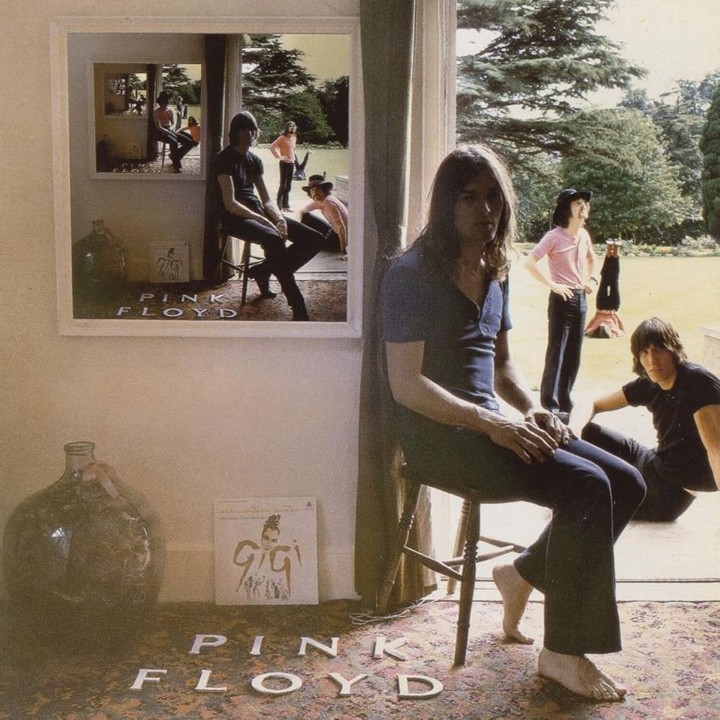 when it was released, which led to me adding each of their new releases to my collection.
One day I spotted this bizarre record cover with four dudes wrapped in plastic, Thoughts of Emerlist Davjack,
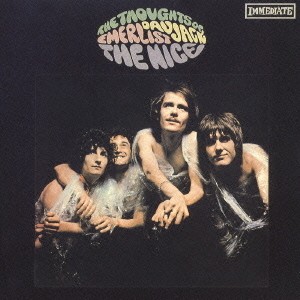 and what a revelation that first listen was. I was blown away by Keith Emerson’s keyboard chops on his reworking of Dave Brubeck’s “Blue Rondo à la Turk” as well as his virtuosic reinterpretation of Leonard Bernstein’s “America.”
I have a Top 50 Pops plus The Best-Selling LPs list from a local record in my hometown dated June 11, 1969, the end of my first year of college. On the Contemporary Sounds list I now owned Wheels of Fire by Cream, Sounds of Silence, Parsley, Sage, Rosemary and Thyme, and Bookends by Simon and Garfunkel, Chicago Transit Authority s/t, Led Zeppelin s/t, In a Gadda da Vida and Ball by Iron Butterfly, Progressive Blues Experience by Johnny Winter, Happy Trails by Quicksilver Messenger Service, Revival by Creedence Clearwater Revival, Post Card by Mary Hopkins, and The Illusion s/t. On the Folk and Vocal Groups list I had In My Life, Wildflowers, and Who Knows Where the Time Goes by Judy Collins, Switched on Bach by Walter Carlos, and Songs from a Room by Leonard Cohen. And from Movie Soundtrack list Yellow Submarine, Romeo and Juliet, 2001: A Space Odyssey, and The Graduate.
My cousin was two and a half years older than me and in the Summer of 1968 she had just come back to the US after spending quite some time in Europe where she had picked up a few LPs. The two that I still remember are Wheels of Fire and Love’s debut Da Capo.
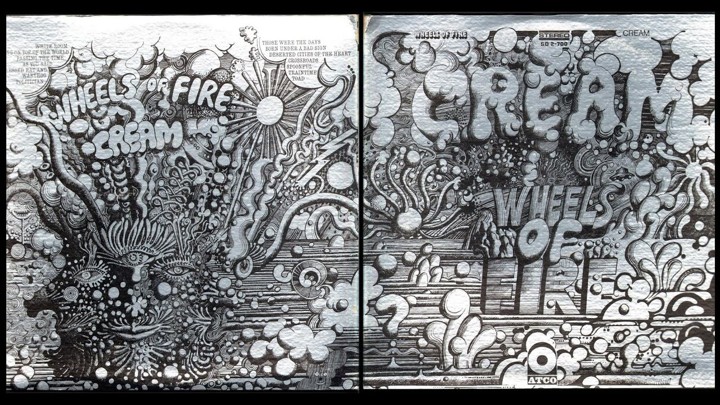
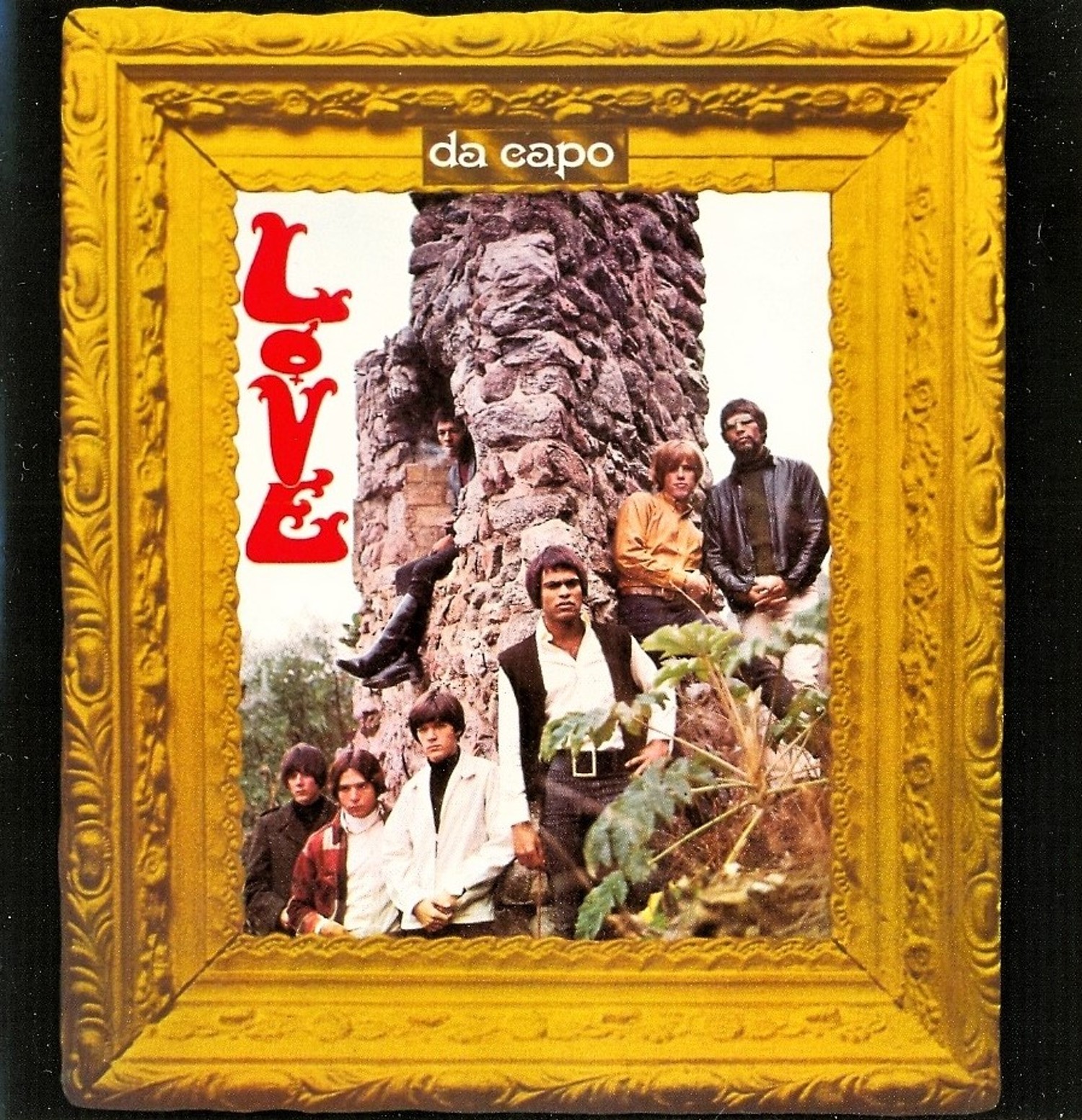 Cream’s cover art was wild, but not the shiny silver of the US release. So, my cousin triggered more musical exploration for me.
Since my tastes were, and still are, eclectic, I started expanding my exploration of folk music through Judy Collins. Judy had the foresight to seek out new talent and songs, so through Judy I discovered Joni Mitchell, Leonard Cohen, and Sandy Denny.
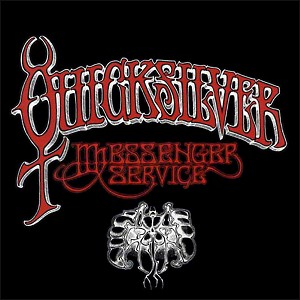
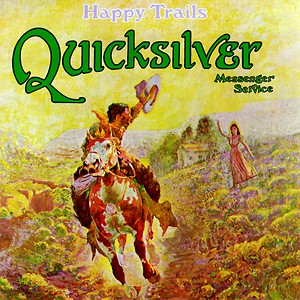 ...I first heard of Quicksilver Messenger Service on FM radio with their cover of Hamilton Camp’s “Pride of Man,” which led me to the first s/t album where I was entranced by John Cipollina’s guitar mastery, especially on “The Fool.” Then came Happy Trails in the Spring of 1969, with its extended jams of “Who Do You Love” and “Mona.” My roommate wore the record out.
And to close this chapter, I cannot leave without talking about Stanley Kubrick’s genius in choosing soundtrack music for 2001: A Space Odyssey.
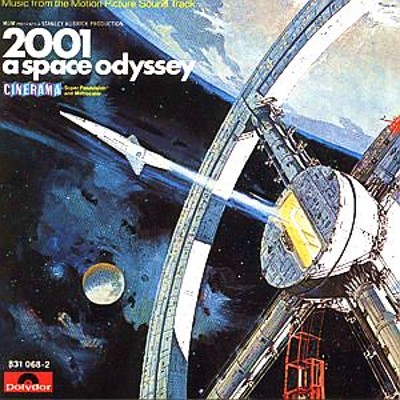 From the iconic opening two minutes of Richard Strauss’ “Also Sprach Zarathustra”, to Johan Strauss’ “Blue Danube” for the graceful rendezvous of the rocket with the space station, to Gyorgy Ligeti’s “Lux Aeterna” for the uncovering of the monolith on the Moon and his “Requiem for Soprano, Mezzo Soprano, Two Mixed Choirs & Orchestra” and “Atmospheres” for Dave Bowman’s psychedelic and surreal journey through the Star Gate, I gained a greater appreciation for classical and twentieth century composers.
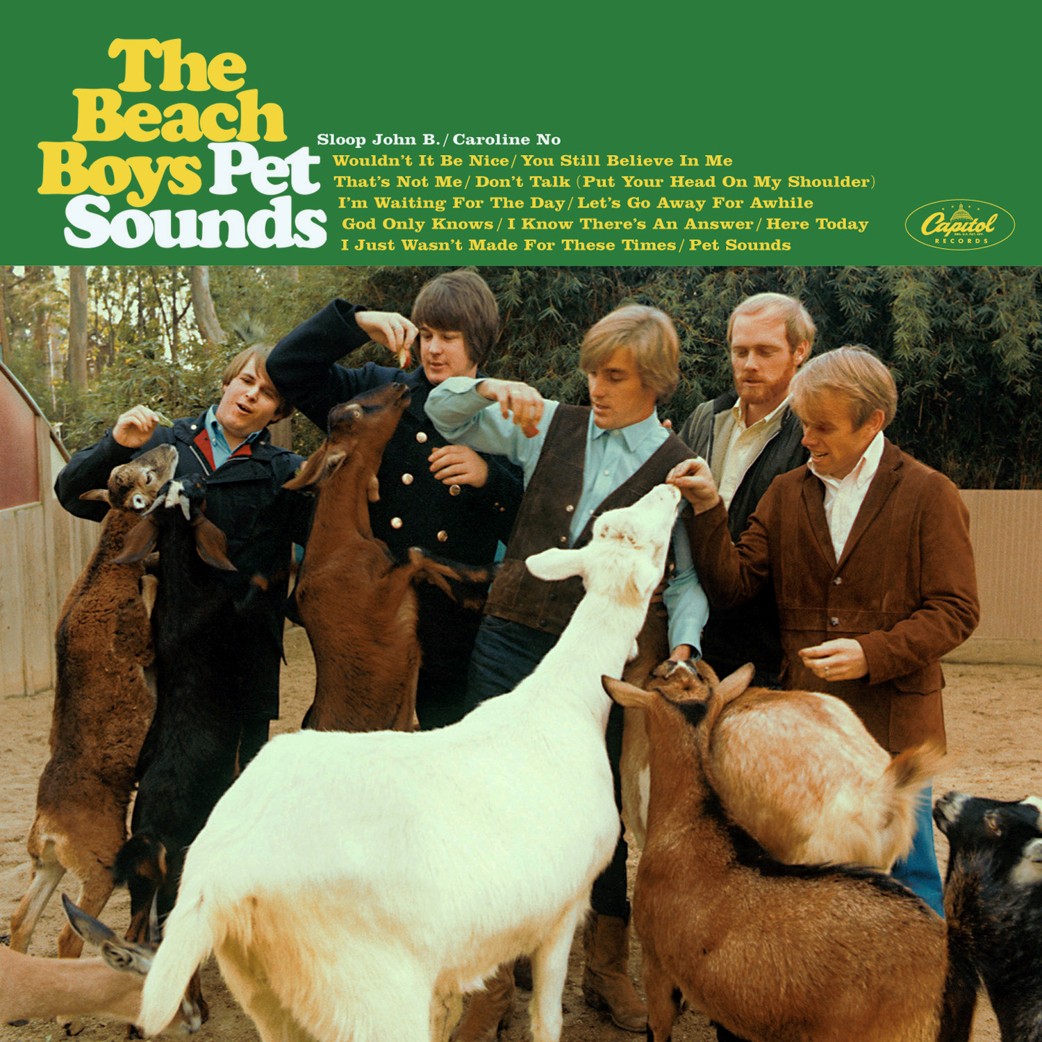 Before I leave the 60s, it would be remiss of me to not mention several other artists. For example, The Beach Boys groundbreaking 1966 album Pet Sounds, probably the pinnacle of Brian Wilson’s career. Each song is exquisite and no longer West Coast surf music. I just recently listened to “Sloop John B” again after many years and I was enthralled. This is one great song. Of course there is also The Beach Boys’ fantastic pop psych song “Good Vibrations” with the first time hearing a Theremin.
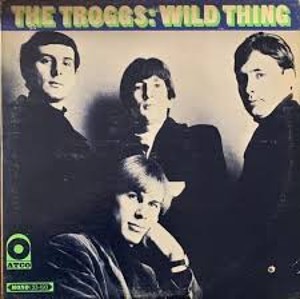 Then, once again in 1966, The Troggs released “Wild Thing” and their first album, a gritty set of songs by these proto-punk lads and the snarly vocals of Reg Presley. “Wild Thing” was wildly popular in the US, spawning a number of covers, including parodies by comedian Bill Minkin poking fun at politics with one version with Republican “Senator Everett Dirksen” and the flip side with Democrat “Senator Robert Kennedy” . Now sixty years later, another song from their debut album, “A Girl Like You,” appears on an ad for The Farmer’s Dog dog food
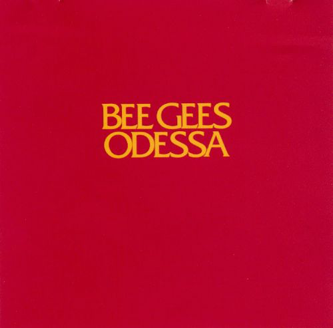 And not to forget the Bee Gees. They enjoyed a number of pop hits, but what stands out for me is “Every Christian Lion-Hearted Man Will Show You” from their debut album. Very surreal, spooky, and trippy, a fantastic psych song. with a fantastic Mellotron accompaniment. And they ended the 60s with their opus 'Odessa' with its fuzzy red felt album cover. This album was difficult to keep from wearing. But most of the fuzz is still on my copy. Lots of great songs on this double album, especially the lead in title track
about a fictional shipwreck. After this album the Bee Gees somehow lost this vibe ultimately embracing disco music, providing the soundtrack for Saturday Night Fever. “Stayin Alive” is not what you would have expected from Odessa.
And not to forget the Bee Gees. They enjoyed a number of pop hits, but what stands out for me is “Every Christian Lion-Hearted Man Will Show You” from their debut album. Very surreal, spooky, and trippy, a fantastic psych song. with a fantastic Mellotron accompaniment. And they ended the 60s with their opus 'Odessa' with its fuzzy red felt album cover. This album was difficult to keep from wearing. But most of the fuzz is still on my copy. Lots of great songs on this double album, especially the lead in title track
about a fictional shipwreck. After this album the Bee Gees somehow lost this vibe ultimately embracing disco music, providing the soundtrack for Saturday Night Fever. “Stayin Alive” is not what you would have expected from Odessa.
To put things into context, the music of the late 60s in the US was greatly influenced by the Civil Rights Movement and the Viet Nam War, which was at its peak. Drug use was on the rise and lots of protest music. Folk singers like Pete Seeger , Joan Baez , Richard and Mimi Farina (Joan’s sister) , Bob Dylan , Phil Ochs , Country Joe and the Fish , etc. were controversial. And it all culminated at the Woodstock Festival in 1969 at Yasgur’s Farm.
The next chapter is provisionally titled 'The Rise of the Progressives'....
Check out Henry's previous article click here
All copyrights reserved 2026
www.fruitsdemerrecords.com
www.fruitsdemerrecords.com